 Skip to content
Depression is a prevalent and serious mental illness that affects individuals worldwide, including those in India. According to data from 2017, more than 14% of the Indian population experiences various forms of mental disorders. The National Mental Health Survey conducted in 2015-16 revealed that 15% of adults in India require active intervention for one or more mental health issues with one in every 20 Indians being affected by depression. The World Health Organization reports that 5.6 crore Indians suffer from depression and 3.8 crore experience anxiety disorders. Unfortunately only one out of every ten individuals facing mental health challenges in India receives evidence based treatment.
Depression can result in prolonged feelings of sadness, hopelessness, guilt and a loss of interest in activities once enjoyed. It can also impact life, including academic or professional pursuits, relationships with others and even physical well being. In some cases depression may lead to thoughts or actions related to self harm.
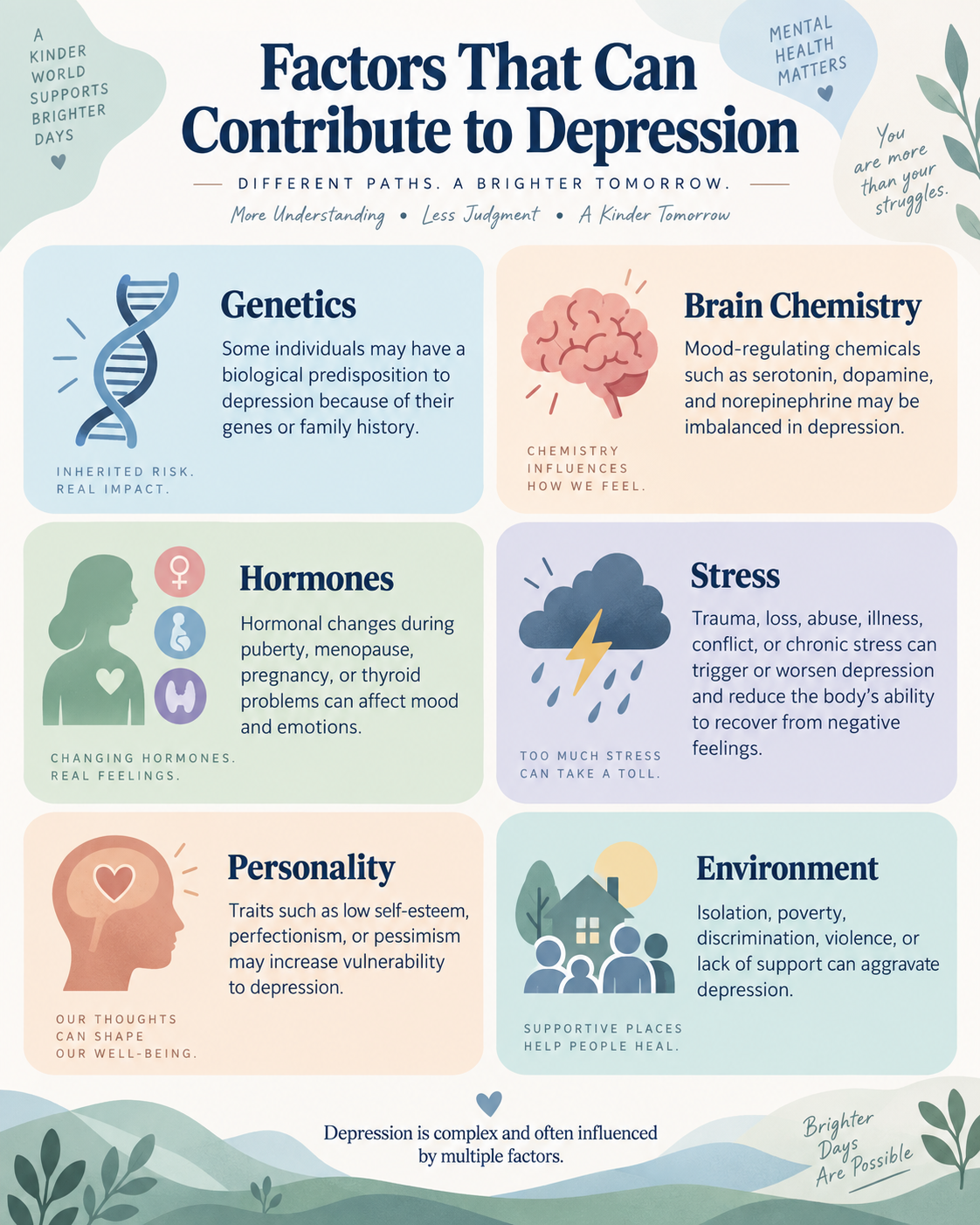
It is important to recognize that depression is not a sign of weakness or a personal flaw; rather it is a multifaceted disorder with various underlying causes. Several factors can contribute to the development of depression:
- Genetics: Some individuals might have a biological predisposition to depression because of their genes or ancestors.
- Brain chemistry: Certain brain chemicals that regulate mood, motivation and cognition such as serotonin, dopamine or norepinephrine may be unbalanced in depression.
- Hormones: Hormonal changes, as during puberty or menopause, pregnancy, and thyroid problems may affect mood and emotions.
- Stress: Depression can be brought on or exacerbated by life events like trauma, loss, abuse, cancer, conflict. Chronic stress can also damage the body’s ability to withstand and recover from negative feelings.
- Personality: Low self-esteem, perfectionism or pessimism–these are personality traits that can make it easier for people to fall into depression.
- Environment: Social and environmental circumstances such as isolation, poverty, discrimination, violence, or lack of support can often aggravate depression.
Depression can manifest in different ways, depending on the individual and the severity of the condition. However, some of the common signs and symptoms of depression include:
- Feeling sad, empty, or hopeless most of the time
- Losing interest or pleasure in hobbies, activities, or people that used to be enjoyable
- Having trouble sleeping, or sleeping too much
- Feeling tired, sluggish, or restless
- Having changes in appetite or weight, either eating too much or too little
- Feeling worthless, guilty, or ashamed
- Having difficulty concentrating, remembering, or making decisions
- Having thoughts of death, suicide, or self-harm
Depression can happen to anyone, regardless of age, gender, or race. However, some groups may be more vulnerable or face more challenges in seeking help, such as:
- Children and adolescents: Depression affects children and teens differently than adults. They may demonstrate more irritability, aggression or behavioural problems like acting out, cutting school and using drugs. They might also find it difficult to express their feelings or handle stress. Early detection and intervention are essential to avoid long-term damage to their development and emotional well-being.
- Women: Women are 2 times as likely to suffer from depression, and hormonal changes during menstruation, pregnancy, or menopause play an important part. Women may also have more stressors, like balancing many roles or experiencing discrimination and abuse. While more likely to ask for help, women must also overcome such obstacles as stigma and lack of access or poor quality care.
- Men: Some of the social and cultural norms bar men from expressing their feelings, due to which they cannot bring themselves to admit that a problem exists. It’s unlikely that they would share their feelings and difficulties with others. If so, this eventually may lead them to cover up depression with substance abuse, anger or risky behaviour. Men are more prone to suicides, particularly older men who live alone or have chronic health problems.
- Older adults: While depression is not normal for the aging process, it can affect older adults more often due to factors such as physical illness, disability, or social isolation. Older adults also have difficulty recognising or admitting their depression, and may instead attribute symptoms to other medical conditions or medications. Older adults may not ask for help, or they may have their requests turned down due to stigma, inaccessibility or poor care.
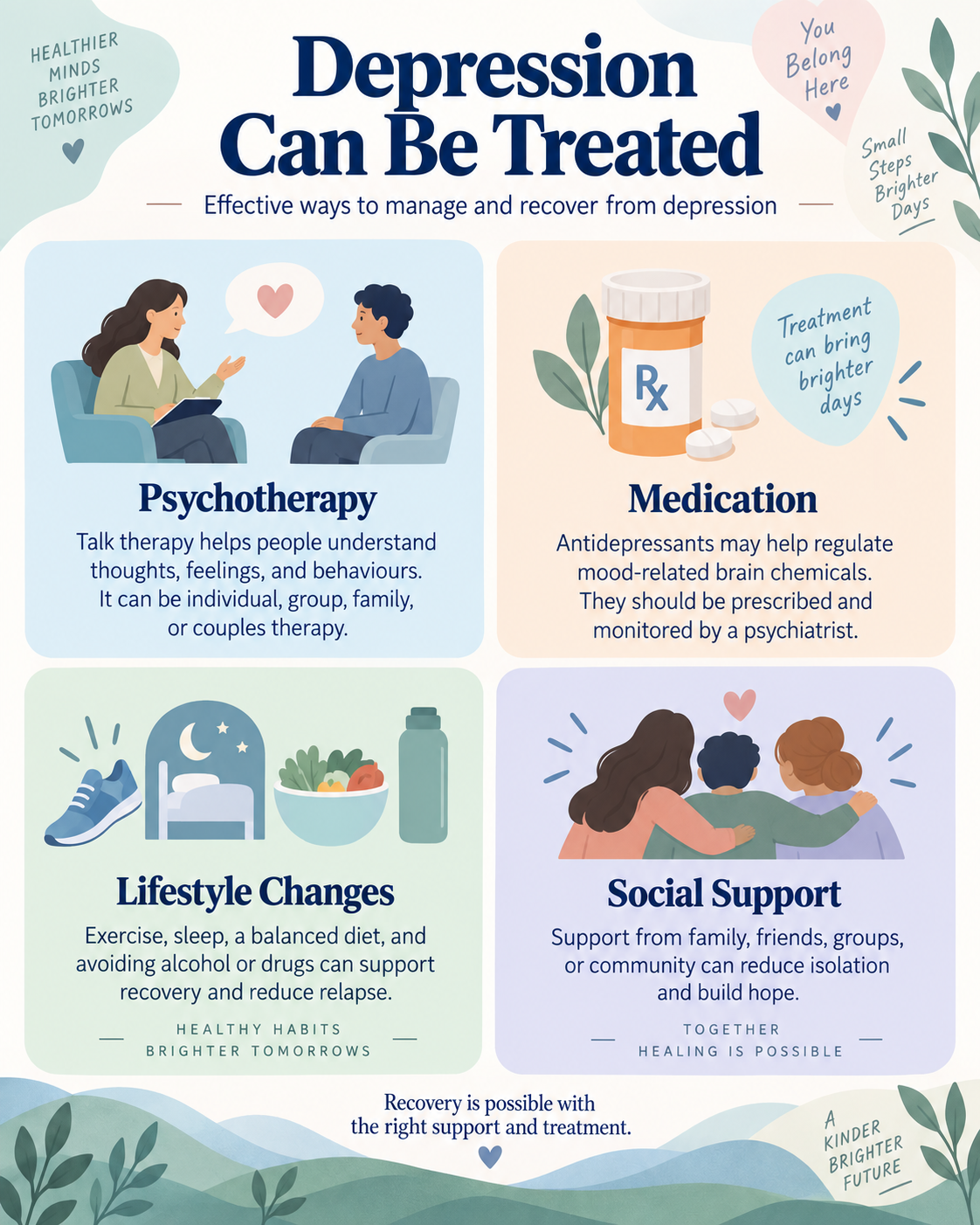
On the plus side, depression is an illness that can be treated. There are countless ways of dealing with it too. Some of the most effective treatments for depression are:
- Psychotherapy: Psychotherapy, or talk therapy, is a process where a psychologist explores and understands the client’s thoughts, feelings, and their behaviour surrounding depression. There are different types of psychotherapy such as cognitive-behavioral therapy, interpersonal therapy, or psychodynamic psychoanalysis, that are used according to the needs or preferences of the individual. Psychotherapy can be conducted in individual therapy sessions, in groups, or with family and couples.
- Medication: Antidepressants can help maintain a balance of the brain chemicals that influence mood and emotion. Certain classes of antidepressants like selective serotonin reuptake inhibitors (SSRIs), for example, are distinguishable from other types such as serotonin and norepinephrine reuptake inhibitors (SNRIs) or tricyclic antidepressants (TCAs). They all have different effects on the body. Psychiatrists prescribe these medications and they should be taken as directed with regular monitoring.
- Lifestyle changes: Changes in lifestyle, including a low-fat diet, regular exercise and adequate sleep as well as avoidance of alcohol or drugs, can also help improve mood. In addition to psychotherapy or medication, such changes in lifestyle also help prevent a relapse of depression.
- Social support: Friends, family, and other loved ones can provide you with emotional support or practical help that may reduce the sense of loneliness or isolation. Individuals can also receive social support through membership in a support group, community organization or religious group where they are able to share their experiences and learn from others while finding hope and meaning.
FAQs on Depression
- What is depression?
Depression is a common but serious mental health condition that can cause persistent sadness, hopelessness, loss of interest, fatigue, sleep or appetite changes, difficulty concentrating, and feelings of worthlessness or guilt. It can affect relationships, education, work, and overall well-being.
- What causes depression?
Depression does not have one single cause. Genetics, brain chemistry, hormonal changes, stressful or traumatic experiences, personality traits, social isolation, discrimination, financial difficulties, and other environmental factors may contribute to its development.
- What are the common symptoms of depression?
Common symptoms include persistent sadness or emptiness, loss of interest in previously enjoyable activities, changes in sleep or appetite, low energy, difficulty concentrating, feelings of guilt or worthlessness, and thoughts about death, suicide, or self-harm.
- How is depression treated?
Depression can be treated through approaches such as psychotherapy, medication prescribed by a qualified psychiatrist, lifestyle changes, and social support. The most appropriate treatment depends on the individual’s symptoms, severity, preferences, and overall health.
- When should someone seek professional help for depression?
If symptoms persist, interfere with daily life, relationships, studies, or work, or become difficult to manage, speaking with a mental health professional is recommended. Any thoughts of suicide or self-harm should be treated as urgent and require immediate professional support.
Depression is a serious mental illness that can affect anyone at any time, and for no particular reason. However, depression is not a death sentence. There’s hope, and there are places to turn for help. If you have depression, or know someone who has it, don’t hesitate to talk with a mental health professional who can help you and provide proper treatment. Know this, you’re not alone and deserve to feel better.
