 Skip to content
 Understanding Anxiety
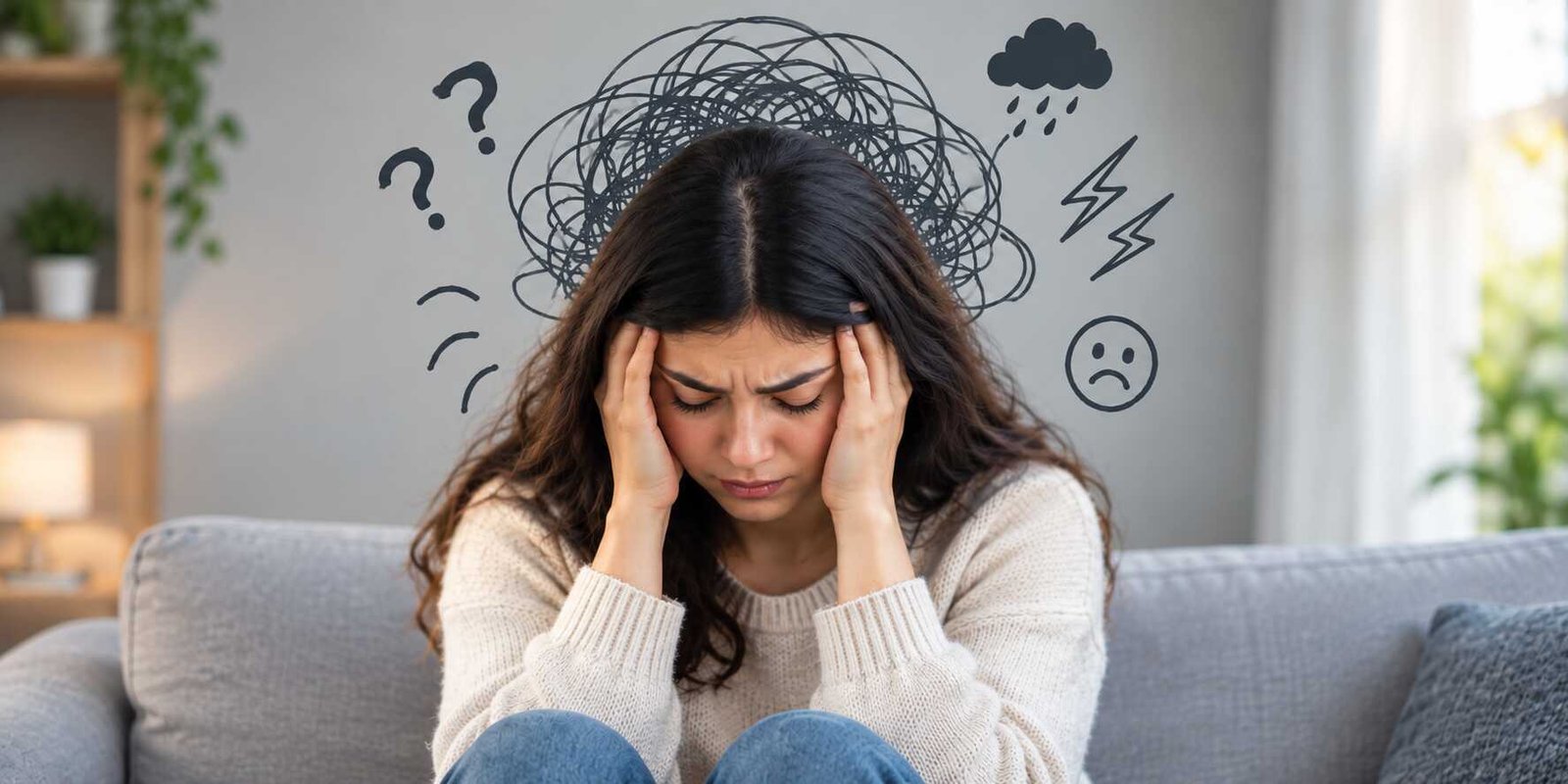
Anxiety afflicts millions globally, including many Indians. A 2017 Lance t study found that nearly 19.7 crore people had mental health disorders in India. Anxiety was the second most prevalent, impacting 4.49 crore (3.3% of India’s population) people. Another study that was conducted saw the rising of stress and anxiety – 74% of Indians report stress, and 88% report anxiety
Individuals with mental health conditions like anxiety are anxious in situations which they find threatening or uncomfortable. Physical manifestations of anxiety include palpitating heart, shallow breathing, tremors and sweating. Everyone gets a little anxious at some point in their lives. However, anxiety disorder is more than just regular stress and worry. When anxiety gets persistent to the point where it affects your daily functioning and makes you react out of proportion, it might be time to get online therapy for anxiety with a professional who can assist you with this.
Exploring the Types of Anxiety Disorders
Several types of anxiety disorders have been identified by experts:
- Generalized Anxiety Disorder: Excessive worrying over activities or events — even very common, trivial things.
- Social Anxiety Disorder: Fear and avoidance of social interaction.
- Separation Anxiety Disorder: Excessive anxiety related to separation.
- Panic Disorder: Fear, terror of a sudden and intense nature.
- Agoraphobia: fear of places or situations that would make you lose control and become trapped, helpless or embarrassed.
- Selective Mutism: A general inability on the part of children to speak when they are at school, but being able to do so at home with relatives.
- Specific Phobia: Major anxiety caused by a specific object or situation.
Symptoms of Anxiety
Anxiety symptoms are usually characterized by –
- Uneasiness and apprehension
- A sense that something bad is going to happen
- Rapid heart rate
- Forced breathing
- Excessive sweating
- Shaking uncontrollably
- Feeling dizzy or weak
People with excessive anxiety cannot concentrate on anything other than their current preoccupations. Apart from not being able to sleep at night, there is the possibility that they might have gastrointestinal (GI) problems, find it extremely challenging to keep a level head or stop thinking about things and have the urge to avoid things that trigger anxiety.
What Causes Anxiety?
There are numerous factors that can lead to anxiety. These include individual characteristics like shyness or behavioural inhibition, as well as stressful or traumatic experiences during childhood or later in life. In addition, a family history of anxiety or other mental health disorders, physical conditions such as thyroid problems and irregular heart rhythms, and the consumption of substances like caffeine and nicotine or certain medications that induce similar physical sensations can all contribute to the development of anxiety.
Treatment for Anxiety
Therapy and medicine are key in tackling anxiety. Both may give the best results when used together. Finding the right treatment for you might need some attempts, but it works wonders when it is received.
- Psychotherapy: Getting expert assistance to alleviate your anxiety symptoms through psychotherapy, also referred to as talk therapy or psychological counseling really helps. Working with a psychologist will ensure you get the correct form of treatment and find relief. Cognitive Behavioral Therapy (CBT) is a therapeutic approach that has proven to be the most effective form of psychotherapy for anxiety disorders.
- Medication: Medication can also provide relief for symptoms, with various options available based on your particular anxiety disorder and any other mental or physical health concerns.
- Lifestyle changes: Making adjustments to your lifestyle, such as incorporating a low-fat diet, regular exercise, and adequate sleep, as well as avoiding alcohol and drugs, can also have a positive impact on your mood and overall well-being stress management and counselling
Frequently Asked Questions About Anxiety
1. What are the common symptoms of anxiety?
Common symptoms of anxiety include uneasiness, apprehension, a rapid heart rate, shallow breathing, excessive sweating, shaking, dizziness, difficulty concentrating and trouble sleeping.
2. When should I seek professional help for anxiety?
You should consider seeking professional help when anxiety becomes persistent, affects your daily functioning, interferes with sleep or concentration, or causes you to avoid situations and activities. A mental health professional can help you understand your symptoms and recommend appropriate support.
3. Whom should I consult for anxiety?
If you are struggling with persistent anxiety, you can consult a psychologist or other qualified mental health professional. Zenup Health can help you connect with mental health professionals for counselling and therapy based on your needs.
4. Can counselling help with stress and anxiety?
Yes. Counselling can help you understand your stress and anxiety triggers, develop healthier coping strategies and manage emotional distress. With the right professional support, counselling can be an effective part of managing stress and anxiety.
Anxiety can strike any person at any time, without reason. Though serious, getting affected by anxiety does not mean there is no hope. Help is available, should you need it. If you or a loved one wrestles with anxiety, it would help to speak to a mental health professional who can guide you to care. Remember, you’re not alone, and you’ll be okay.
