 Skip to content
Understanding LGBTQ+ Affirmative Counselling: What It Is and How It Supports Mental Wellbeing
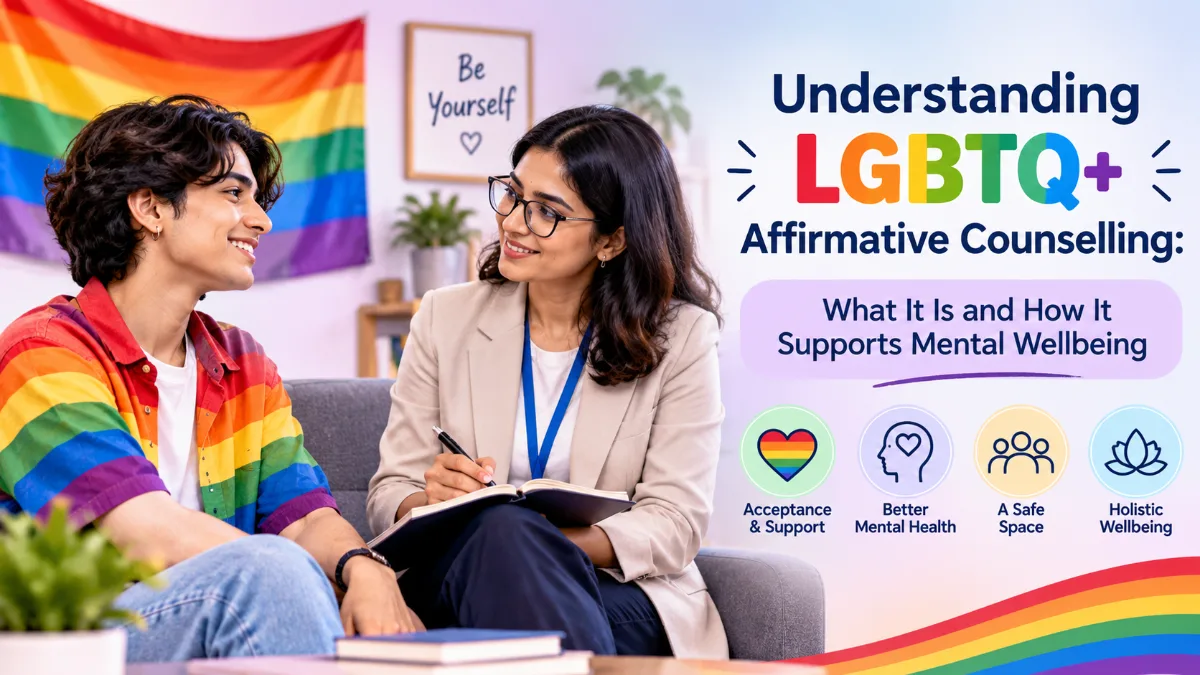
Therapy works best when you don’t have to explain or defend who you are before you start. Affirmative therapy begins from that idea. The therapist treats being lesbian, gay, bisexual, transgender, queer, or questioning as a normal part of human variation, and focuses on what you actually came in for. Zenup Health offers LGBTQ counseling online, and this guide explains what it involves, who it’s for, and how it can support your wellbeing in everyday life.
What Affirmative Therapy Means
Affirmative therapy starts from a simple position: being LGBTQ+ is a normal variation of human experience, not a disorder. Your therapist does not try to change your orientation or gender identity. They also don’t assume your identity explains every difficulty you bring. They work with the concerns you name, stay informed about the pressures many LGBTQ+ people face, and use the names, pronouns, and language you prefer.
Why Specific Support Matters
Many studies link higher rates of anxiety and depression among LGBTQ+ people to the stress of stigma. This is often called minority stress. It can come from family rejection, bullying, bias at work, fear of being outed, or years of hiding. Some people also take in negative messages and begin to feel shame about themselves.
Not everyone has these experiences. Many LGBTQ+ clients come for the same reasons as anyone else, such as work stress, grief, or strain in a relationship.
What Sessions Can Cover
The topics depend on you. Common ones include:
- Deciding whether, when, and how to come out
- Family tension or loss of support
- Gender identity and the stress around transition decisions
- Shame and negative self-talk
- Dating and relationships
- Anxiety, low mood, and past trauma
Therapy can support you through transition-related decisions, though medical care itself comes from specialists.
Methods an Affirmative Therapist May Use
Affirmative therapy is a stance rather than a single technique. It sits on top of established methods, and the therapist adjusts them to your life. Depending on your concerns, sessions might draw on:
- Cognitive behavioural therapy (CBT): works on thought patterns, including self-critical beliefs absorbed from stigma
- Dialectical behaviour therapy (DBT): builds skills for intense emotions and stressful moments, such as a hard family conversation
- Rational emotive behaviour therapy (REBT): looks at rigid beliefs like “everyone must accept me” and loosens them
- Narrative therapy: helps you step back from the story others have told about you and write your own
- Psychodynamic therapy: explores how earlier experiences and family patterns shape your relationships now
Your therapist may combine two or more of these. The method matters less than whether you feel respected and understood in the room.
What to Expect From LGBTQ Counseling
At Zenup Health, the first session is a detailed case history, so your therapist understands your background and what you want from therapy. Later sessions run about 60 minutes, with exercises between them. Sessions are one-on-one video calls and are not recorded.
Joining from home can help if there are few affirming therapists near you, or if you want more privacy than an office visit allows.
How to Choose a Therapist
Ask directly. Ask how they approach LGBTQ counseling, what training they have, and how they handle questions about pronouns or identity. Notice whether you feel judged or expected to explain the basics. Fit matters, and it’s fine to switch if the match isn’t right.
Conclusion
Feeling understood changes how therapy works. With a therapist who respects who you are, sessions can go to what is weighing on you instead of defending your identity. If you’re considering LGBTQ counseling, a first session is a good way to see how the fit feels. Zenup Health offers online sessions with RCI-licensed professionals across India and internationally, and you can book at zenuphealth.com.
FAQs
1. Do I need to be out before I start therapy?
No. You can go at your own pace. Therapy can be a place to think through whether and how you want to share this with others.
2. Will my therapist question or try to change my identity?
An affirming therapist won’t try to change your orientation or gender identity. They may ask questions to understand your experience, which is different from questioning whether it is valid.
3. Is online LGBTQ counseling private?
Sessions at Zenup Health are one-on-one on a secure platform and are not recorded. As with any licensed service, confidentiality has limits, such as serious risk to safety or a legal requirement.
4. Can I go if my problem isn’t about my identity?
Yes. Many people come for anxiety, burnout, or relationship strain. An affirmative therapist works on what you bring.
5. How many sessions will I need?
It varies. After a few sessions, your therapist can give you a clearer picture. Many people start weekly and adjust over time.
