The Connection Between Mental Health & Sleep
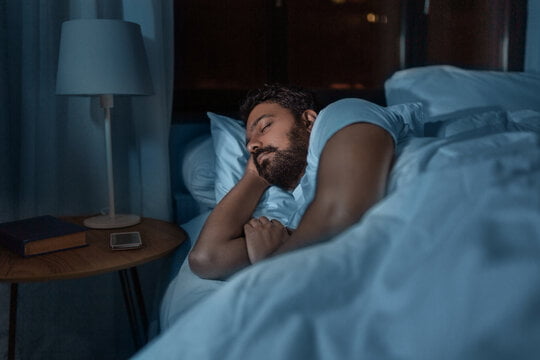
Sleep is essential for our health. It’s important for our bodily functions as well as our minds. Yet, we often don’t give it due priority. Did you know sleep and mental health are interlinked? Research reveals that sleep problems can either lead to mental health issues, or be a result of them. The different facets in this relationship between sleep and mental health make the connection extremely complex and convoluted.
Sleep disorders are prevalent in India, with various studies indicating concerning statistics. For instance, a survey reported a sleep disorder prevalence of 93% among the Indian population. Another study revealed that India is the second most sleep-deprived country, with an average person getting around 7 hours and 1 minute of sleep regularly.
Types of Sleep Disorders :
Sleep disorders are conditions that cause sleep deprivation.
Some common types include:
Alright, let’s dive further into these sleep issues:
- Insomnia: This very common issue can make sleep tricky. Either you’re tossing and turning, waking up way too early, or just can’t drift back to sleep. If you still feel exhausted and as though your energy has been drained first thing in the morning when you wake up, it can be indicative of insomnia. It can spoil more than just your mood. It can affect your health, job performance, and even happiness. Insomnia can look different for different people. It can come up for a short period (acute) or stick around for a long time (chronic). It can also be on and off – disappearing on some days, but returning soon after.
- Sleep Apnea: Sleep apnea is a disorder that causes you to stop breathing while asleep. Your brain tries to protect you by waking you up enough to breathe, but this prevents restful, healthy sleep. Over time, this condition can cause serious complications. Obstructive sleep apnea is a pretty common type of sleep apnea. It happens when the muscles in your throat get relaxed, blocking air from reaching your lungs.
- Narcolepsy: This condition is neurological, and messes up your sleep-wake cycle. It is characterized by excessive sleepiness in the daytime and individuals may also suddenly fall asleep during any activity. Narcolepsy typically develops during the teen years and lasts for life.
- Restless Legs Syndrome (RLS): Restless legs syndrome (RLS) is a movement condition that causes a strong urge to move your legs when you’re resting or relaxing. You may also feel sensations like itching, pulling, crawling, or throbbing. There isn’t a cure for RLS, but treatment is available.
- Parasomnia: Parasomnia is a sleep disorder that involves unusual and undesirable physical events or experiences that disrupt your sleep. A parasomnia can occur before or during sleep or during arousal from sleep8. If you have a parasomnia, you might move around, talk, express emotions, or do unusual things.
People struggling with mental health troubles like anxiety, depression, bipolar disorder, and ADHD often encounter sleep disorders. These disorders can cause sleep issues, but their treatment also positively improves sleep quality and quantity.
Treatment Options for Sleep Disorders :
Treatment for sleep disorders can range from lifestyle changes to medical interventions. Here are some common treatments:
- Good Sleep Hygiene: This involves creating a cool, dark, and quiet sleeping environment. It’s recommended to only use your bed for resting and relaxing.
- Regular Physical Activity: Exercise during the daytime can help promote better sleep.
- Healthy Diet: Consuming balanced meals on a regular schedule can also contribute to better sleep.
- Psychotherapy: Psychotherapy, particularly cognitive-behavioral therapy (CBT), can be highly effective in treating sleep disorders. CBT helps individuals identify and replace thoughts and behaviors that cause or worsen sleep problems with habits that promote sound sleep. Psychologists can also address the mental health aspect of sleep disorders. Once the other concerns have been addressed, sleep issues may get resolved as well.
- Medical Treatment: This might include sleeping pills, melatonin supplements, allergy or cold medication, and medications for underlying health issues. In some cases, a breathing device or surgery might be required, usually for sleep apnea. A dental guard might be recommended for teeth grinding.
Maintaining a Good Sleep Schedule :
People often experiencing mental health issues like anxiety, depression, ADHD, and bipolar disorder also deal with sleep disorders. Sleep issues can stem from these disorders, but treating them also enhances sleep quality and duration. Keeping a stable sleep routine is vital for good sleep quality and reinforcing your body’s internal clock. Here’s how to establish this routine:
- Consistency: Sleep and wake up at the same time each day, maintaining this even during weekends or vacations. This aids your inner clock in creating a new pattern.
- Physical Exercise: Frequent physical activity gets you physically tired, promoting better sleep.
- Light Exposure: Aim to soak in natural sunlight for at least half an hour daily. Light exposure is an essential influence on circadian rhythm, which is closely aligned with the day-night cycle.
- Avoid Caffeine, Nicotine, and Alcohol Close to Bedtime: These substances can disrupt your sleep cycle.
- Limit Fluid Intake Close to Bedtime: This may help you sleep longer without having to use the bathroom.
- Manage Stress: Follow a routine that helps you wind down and relax before bed. For example, read a book, listen to soothing music, or take a hot bath.
Mental health and sleep are tightly linked. The more we dig, the clearer it gets: good sleep isn’t just a plus for your body. It helps your mind too. A great night’s sleep is a must-have, and cultivating healthy habits that support this aid in better mental and physical well-being overall. It’s key for a healthy mind and body.